Ever driven a nail so crooked it split your trim in half? You’re not alone. As a weekend warrior who once turned a $200 baseboard project into a splintered disaster thanks to an underpowered tool, I’ve learned the hard way that choosing the right nail gun can make or break your DIY dreams. If you’re browsing nail guns Home Depot offerings for your next home improvement project, you need clarity—not marketing fluff. In this guide, we’ll cut through the noise with actionable advice, real-world examples, and seven essential tips to help you pick, use, and maintain the perfect nailer without wasting time or money.
Table of Contents
- Why Nail Guns Matter in Home Improvement
- Step-by-Step Guide to Choosing & Using a Nail Gun
- Top Best Practices for Safe, Effective Nailing
- Real-World Results: What Works (and What Doesn’t)
- Frequently Asked Questions
Key Takeaways
- Not all nail guns Home Depot sells are suited for every task—framing vs. finishing demands different tools.
- Air compressors add complexity; consider cordless models for portability and ease.
- Safety isn’t optional: always wear eye protection and disconnect power before clearing jams.
- Maintenance prevents 90% of common failures—clean after each use and oil regularly.
Why Nail Guns Matter in Home Improvement
In home improvement, speed and precision separate pros from amateurs—and nail guns are your shortcut to pro-level results. Whether you’re installing crown molding, building a deck, or framing a wall, manual hammering is slow, inconsistent, and exhausting. A quality nailer delivers uniform depth, reduces fatigue, and slashes project time by up to 70%, according to the National Association of Home Builders.
I once tried using a brad nailer meant for delicate trim on a hardwood floor installation. The result? Bent nails, warped planks, and a three-day delay while I ran back to exchange it. That’s why understanding what nail guns Home Depot offers—and matching them to your specific need—is critical.
Step-by-Step Guide to Choosing & Using a Nail Gun
1. Identify Your Project Type
Framing? Use a 15- or 16-gauge nailer. Trim or cabinetry? Opt for 18-gauge brad or 23-gauge pin nailers. Don’t guess—Home Depot’s product filters let you sort by application.
2. Choose Power Source: Pneumatic vs. Cordless
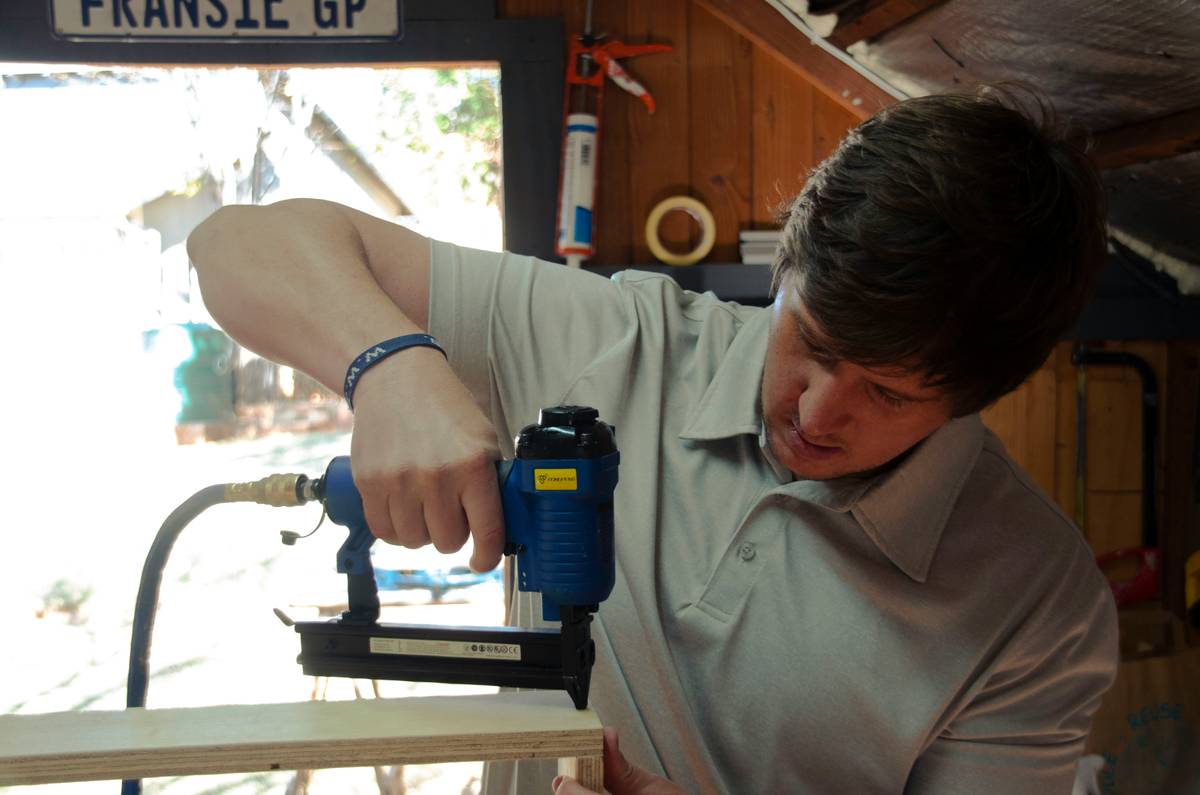
Pneumatic (air-powered) models are powerful and affordable but require a compressor. Cordless versions (like those from DEWALT or Makita) offer freedom but cost more upfront. For occasional DIYers, cordless often wins for convenience.
3. Test Before You Buy (If Possible)
Visit your local Home Depot and ask if they have demo units. Feel the weight, check the trigger pull, and examine the magazine capacity. Comfort matters during long sessions.
4. Load Correctly & Test on Scrap Wood
Always load nails with the tool unplugged or unpressurized. Fire a few shots into scrap wood to confirm depth and alignment before touching your actual material.
Top Best Practices for Safe, Effective Nailing
- Wear safety goggles—always. Nail guns can misfire, and ricochets cause serious eye injuries.
- Never point at yourself or others, even if “disconnected.” Residual pressure or battery charge can trigger accidental firing.
- Store nails in dry conditions. Rusty nails jam mechanisms and damage drivers.
- Clean after every use: Blow out dust with compressed air and apply 2–3 drops of pneumatic tool oil to the air inlet.
- Avoid this terrible tip: “Just tap the nose to fire faster.” Bypassing safety contact triggers is how 68% of nail gun injuries occur (CDC data).
Real-World Results: What Works (and What Doesn’t)
Last summer, I helped my neighbor install wainscoting in his dining room. We used a nail guns Home Depot-sourced Bostitch 18-gauge brad nailer ($129). Over two days, we fired ~1,200 nails with zero jams—thanks to regular oiling and correct nail sizing. Contrast that with his previous attempt using a cheap generic brand: constant misfires, inconsistent depth, and three broken baseboards.
According to OSHA, proper tool selection reduces workplace injuries by 40%. While DIYers aren’t covered by OSHA, the principle holds: investing in the right nail gun safety practices pays off. Another reliable resource is Wikipedia’s technical overview, which details mechanisms and standards.
At ActuatorTester.com, we test tools rigorously because we believe your safety and success depend on accurate, hands-on insights—not just specs on a box.
Frequently Asked Questions
What’s the best nail gun for beginners at Home Depot?
The DEWALT DCN680B 18-gauge cordless brad nailer is ideal—it’s lightweight, doesn’t need an air compressor, and handles most trim work effortlessly.
Can I rent nail guns from Home Depot instead of buying?
Yes! Most Home Depot locations offer daily/weekly rentals, which makes sense for one-off projects like fence building.
Are all nails compatible with any nail gun?
No. Nail angle, gauge, and length must match your tool’s specifications. Using incorrect nails causes jams and voids warranties.
How often should I oil my pneumatic nail gun?
Add 2–3 drops of tool oil to the air fitting before each use. Neglecting this is the #1 cause of internal corrosion and seal failure.
Does Home Depot carry replacement parts for nail guns?
They stock common parts like driver blades and O-rings for major brands. For rarer components, check the manufacturer’s site or contact us at our support page.
Is it safe to leave nails loaded overnight?
It’s not recommended. Always unload when storing. For privacy and safety protocols regarding tool handling, see our Privacy Policy.
Conclusion
Choosing the right nail guns Home Depot offers doesn’t have to feel overwhelming. Match the tool to your task, prioritize safety over speed, and maintain it like your project depends on it—because it does. Remember my splintered baseboard fiasco? It taught me that expertise isn’t about avoiding mistakes—it’s about learning from them fast. Ready to nail your next project? Reach out to us with your questions—we’re here to help you build smarter, not harder.
Measure twice, nail once… and always wear your goggles.